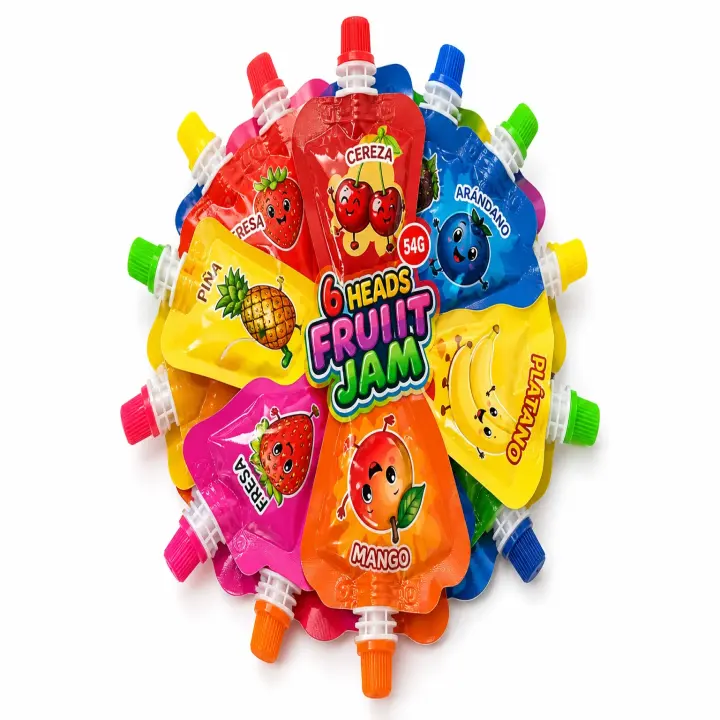
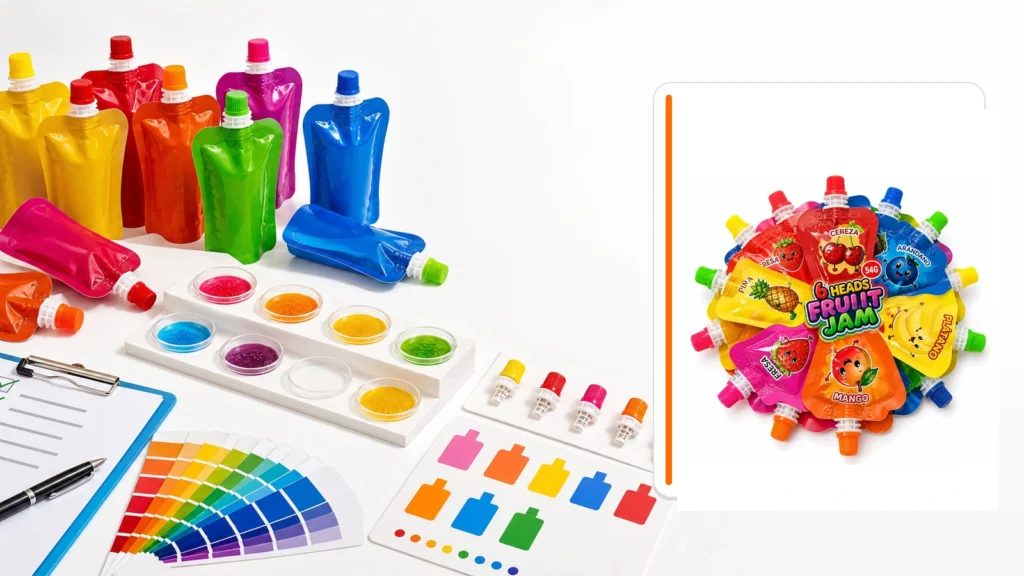
Dip candy looks simple when a buyer is only looking at a front photo. The sourcing reality is more demanding because the buyer is usually approving more than one thing at once: the candy itself, the dipping format, the retail presentation, and the handling route. KidStar SKU YMX-127 is a useful example because it is a 54 g fruit jam dip candy set packed as 12 bags × 12 display boxes/carton. That makes it a multi-part retail line, not just a single-piece candy sample.
Importers, distributors, wholesalers, and private-label buyers should therefore stop asking only whether the sample "looks okay." The stronger question is what must be confirmed before the buyer treats a dip candy set as quote-ready, shelf-ready, and complaint-ready. That is what keeps a fun-looking item from turning into a messy first order.
Map the product roles before judging the sample
A dip candy set normally has more than one commercial role inside one SKU. The buyer is not only approving flavor. The buyer is also approving the interaction format and the selling format.
For YMX-127, the first review should separate:
- the exact candy-set SKU being quoted
- the consumer-facing dipping format
- the retail bag or selling unit
- the display-box route used for wholesale or shelf presentation
- the master-carton route used for shipment
That map matters because a buyer can approve the taste while still disliking the retail bag logic. Another buyer can like the pack appearance but still find the display route weak for local handling. Those are different decisions, and they should not be hidden inside one casual "sample approved" message.
The YMX-127 product page should therefore be used as the product anchor in every sample note. Once the SKU is fixed, the buyer can compare the item against the wider product catalog and decide whether it belongs in a novelty-heavy assortment, a value retail mix, or a broader kids’ candy lineup.
Use a confirmation table before treating the sample as quote-ready
The easiest way to avoid confusion is to decide what is actually being released.
| Confirmation area | What buyers should verify on YMX-127 | Why it matters |
|---|---|---|
| SKU identity | Confirm the exact YMX-127 route and quoted unit format | Prevents a generic dip-candy quote from replacing the reviewed item |
| Selling unit | Check whether the bag format feels right for the target outlet and price point | Retail acceptance depends on the unit, not only the taste |
| Display route | Review how the unit is grouped, shown, and handled in the display box | A weak shelf route can damage the first wholesale trial |
| Shipment route | Confirm 12 bags × 12 display boxes/carton and any related handling notes | Carton logic affects freight, breakage review, and outlet planning |
| Approval evidence | Record photos, reviewer notes, and any open questions before release | It reduces later disputes about what was actually approved |
This table is practical because it keeps the buyer from approving a multi-part product with single-part language.
Decide whether the sample is approving the product or only the concept
Many first dip-candy projects fail because the buyer thinks one sample answers every question. Often it only answers the concept question.
Use this rule:
- If the buyer only likes the idea of the item, the sample is concept approved.
- If the buyer likes the exact selling unit and shelf route, the sample is format approved.
- If the buyer also accepts the display, carton logic, and next commercial step, the sample is quote-ready.
That distinction is especially important for YMX-127 because the item is meant to be experienced, not only seen. The sample review should therefore state what has and has not been approved. If the dipping concept is accepted but the market still needs a different retail pack discussion, say that clearly before price is treated as firm.
The packaging customization page helps here because a buyer may learn that the standard route is enough for a first trial. Another buyer may need a different packaging path before moving forward. Both are acceptable. The problem appears only when the buyer acts as if concept approval automatically equals commercial approval.
Build one approval record that purchasing and sales can both use
Sample approval should create a usable file, not just a chat message. For YMX-127, that record should include:
- exact SKU reviewed
- date of review
- destination market
- target channel
- note on whether the standard display route is acceptable
- note on whether the first order is a pilot or a repeatable route
- photos of the selling unit and display presentation
- any open packaging or compliance questions
This becomes even more useful when the buyer later asks for MOQ, PI, or market-language clarification. The certifications and compliance page can support that later discussion without pretending that market approval has already been solved. The approval record simply makes it clear what the buyer has already accepted and what still needs review.
Know when to hold the order after a positive sample
Positive sample feedback does not always mean "move to production." A hold is usually smarter when:
- the target market is still undecided
- the display route has not been reviewed by the local sales team
- the buyer has not decided whether the first order is a pilot or a full rollout
- unit-language or importer-information questions remain open
- the buyer still needs to compare YMX-127 against other novelty or dipping lines
In those cases, the best action is not to reject the item. It is to keep YMX-127 inside a controlled next step. The MOQ and lead time page is useful for that conversation because the buyer can separate a small pilot route from a later repeat route instead of forcing both into one early decision.
Ask for the next step in buyer language, not generic candy language
When the sample is promising, the next message should stay operational. A stronger follow-up to the supplier usually says:
- We reviewed YMX-127 for this market and this outlet type.
- The dipping concept is approved or still under review.
- The standard unit and display route are acceptable or need adjustment.
- Please quote the first pilot route or the repeat route based on the points below.
That is much more useful than saying only "the sample is good, please send price." It gives the supplier the commercial context needed to answer with a cleaner quote.
Approve YMX-127 only when the format and route are both visible
Dip candy sets move more smoothly when buyers approve them in layers: concept, format, and commercial route. YMX-127 should move into the first quote only when the buyer can point to the exact SKU, the intended channel, the accepted selling unit, and the accepted display logic. That is what turns a novelty item into a controlled sourcing program.
If you want KidStar to review whether YMX-127 is only concept-approved or truly ready for a pilot quote, send the target market, outlet type, and approval notes through the contact page. That helps the team answer with the right next-step checklist instead of a generic dip-candy offer.