Standard supply
An established product and pack route usually creates the clearest starting point for an MOQ discussion.

MOQ | Lead Time | RFQ Planning
This page helps buyers prepare the commercial context needed before asking for a final quote. MOQ and timing depend on the product specification, pack format, assortment, destination-market documents, approval steps, and production scheduling.
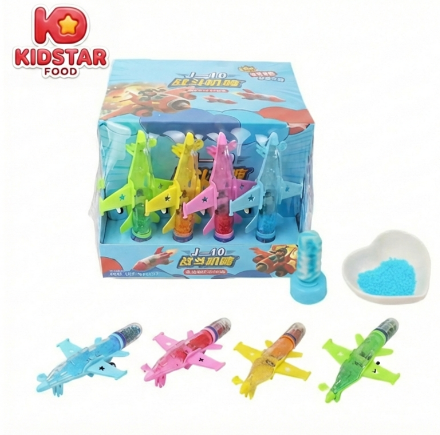
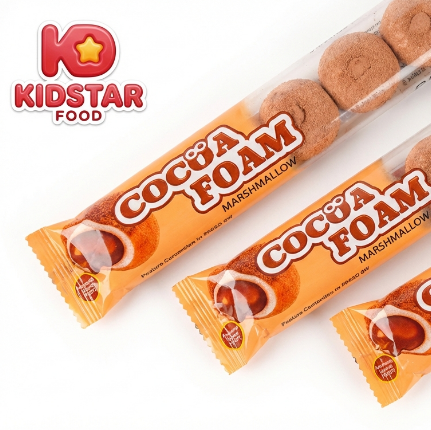
Public Planning Ranges
An established product and pack route usually creates the clearest starting point for an MOQ discussion.
Formula, artwork, pack structure, and assortment changes can each shift the practical order threshold.
An existing product with a defined buyer brief can move into scheduling after pack and approval inputs are confirmed.
New formula, sampling, artwork, or pack development adds review stages before production timing can be confirmed.
What Changes the Numbers
OEM/ODM complexity, formula development, and approval work all affect whether the project stays closer to standard execution or moves into a longer route.
Pouch, jar, box, and display-ready formats do not create the same cost logic or preparation work. Packaging is often the real MOQ variable.
Single-SKU and mixed-pack programs should not be treated the same when planning quantity, sampling, and launch timing.
Destination-market requirements and label adaptation can change how much planning is needed before the RFQ becomes final.
How Buyers Should Use This
Clarify whether the project is stock supply, OEM, or a more developed ODM / private-label route.
Define the target pack format before expecting accurate MOQ and timing guidance.
Review whether samples are needed for screening, approval, or packaging confirmation.
Once those inputs are clear, the quote discussion becomes more reliable and less repetitive.
RFQ Checklist
If those inputs are still unclear, start with Samples or Packaging Customization first.
Next Step