The ISM 2027 reorganization gives confectionery buyers a useful sourcing lesson: product, ingredient, manufacturing, and packaging questions should be connected in one controlled brief. Koelnmesse says the 2027 event will bring ISM Snacks & Sweets, ISM Ingredients, and ISM Manufacturing under one umbrella from 31 January to 3 February 2027 in Cologne.
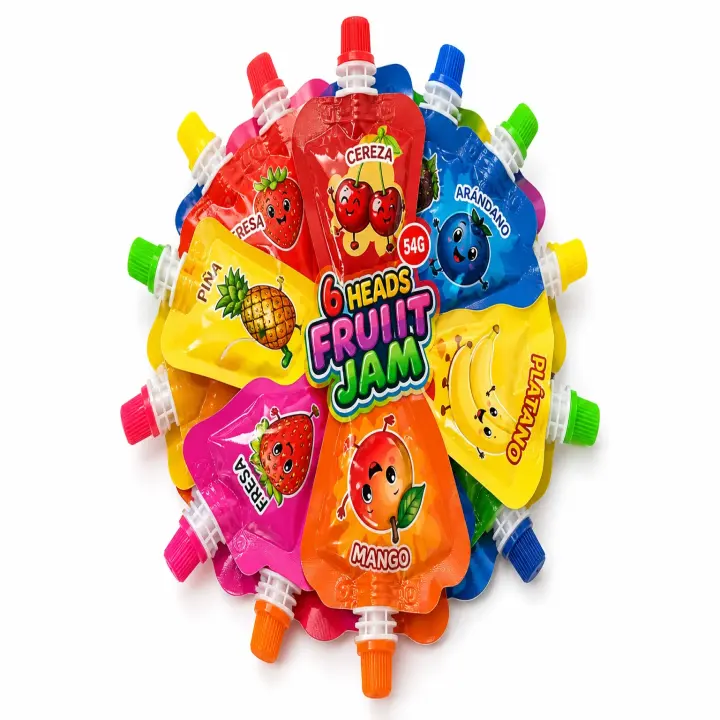
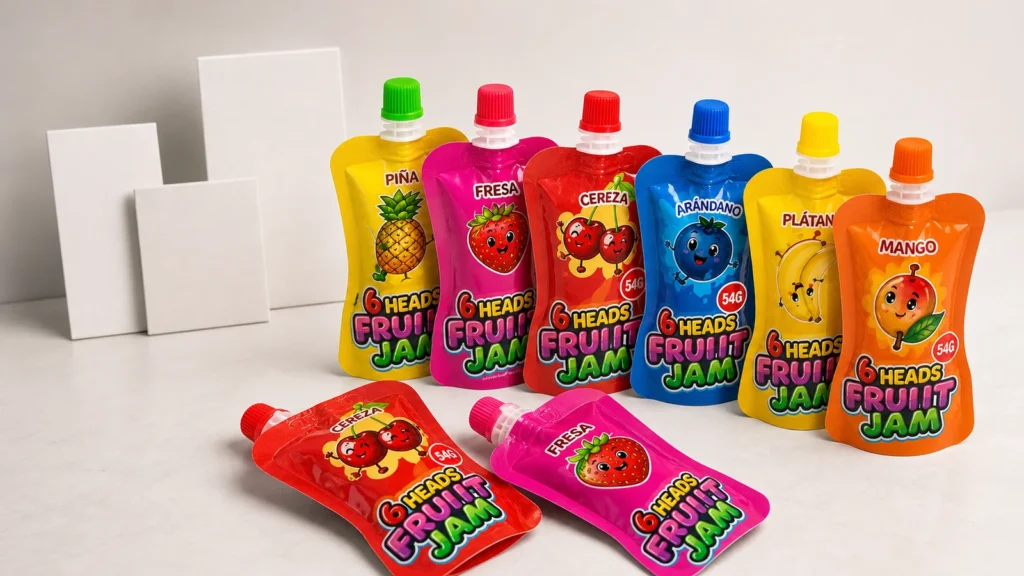
For importers, distributors, wholesalers, and private-label buyers, the direct action is not to assume a trade-fair change proves supplier capability. It is to mirror the value-chain structure in supplier discussions. KidStar SKU YMX-127 provides a concrete example: a 54 g spouted fruit-jam dip candy packed as 12 bags × 12 display boxes per carton needs a product decision, a composition-and-document request, and a packaging-and-delivery file that all refer to the same version.
What ISM officially changes in 2027
The official ISM trade-fair page describes one umbrella brand covering finished sweets and snacks, ingredients, and manufacturing. It states that ProSweets Cologne will continue from 2027 as ISM Manufacturing, while its production, processing, packaging, and technology role remains part of the combined structure.
The official ISM material also lists the three parallel events for 31 January–3 February 2027. This is a verified event-structure change. Any claim that it will reduce a specific buyer’s cost, shorten a specific project, or improve a specific product is an inference and should be tested rather than presented as fact.
The practical value for buyers is the framework. A finished product cannot be reviewed cleanly if the ingredient evidence, production questions, packaging route, and retail job are scattered across unrelated emails.
Use YMX-127 as the finished-product anchor
The YMX-127 product page gives the first layer of the brief:
- SKU: YMX-127
- product: Fruit Jam Dip Candy Set
- unit weight: 54 g
- inner quantity: 12 bags per display box
- carton route: 12 display boxes
Those details define the version being discussed; they do not answer every ingredient, allergen, label, shelf-life, closure, or destination question. Buyers should record missing information as a request, not fill gaps with assumptions. The related dip-candy approval guide shows why the product, spout, closure, artwork, and transport questions need their own evidence path.
Build three linked evidence layers
| Brief layer | Buyer records now | Supplier evidence to request | Decision it supports |
|---|---|---|---|
| Finished product | YMX-127, 54 g, 12 bags, 12 displays | Current product image, sample identity, pack configuration | Is this the right retail route? |
| Ingredients and destination | Market, required language, buyer’s ingredient and allergen questions | Version-matched specification and available destination documents | Can the team begin a destination review? |
| Manufacturing and packaging | Display construction, carton route, transport handling questions | Current packing details, actual carton data, agreed inspection points | Can the version move toward quotation and shipment planning? |
The layers should share one version identifier and one date. If the sample changes, the ingredient file and packaging file should be checked again. If the market changes, the buyer should reopen destination-specific questions instead of reusing an old answer without review.
Turn a trade-show plan into a buyer question map
A buyer attending or following ISM 2027 can organize meetings around the same three layers. This is an inference from the official value-chain structure, not an official ISM procurement method.
For the finished-product discussion, ask:
- Which exact product version and pack are being shown?
- Is the display intended for convenience, grocery, cash-and-carry, or another route?
- What sample and image identify the version after the meeting?
For the ingredient discussion, ask:
- Which ingredient and allergen files are available for the quoted version?
- Which destination questions remain open?
- Who reviews updates if the formulation or market changes?
For manufacturing and packaging, ask:
- What is the current display and carton configuration?
- Which measurements and weights will be supplied for freight work?
- Which checks can be documented before shipment?
The questions do not ask a supplier to make a broad capability claim. They ask for version-specific evidence that a buyer can review.
Keep retail and production decisions connected
YMX-127 has 144 individual 54 g pouches per carton by pack arithmetic. That equals 7.776 kg of nominal product content before display and transport packaging. It is not the carton gross weight. A buyer who wants to compare landed cases must request the actual carton data, quantity, trade term, named place, and freight basis.
Retail presentation still leads the decision. If the 12-pouch display boxes do not fit the intended shelf or replenishment routine, the buyer should resolve that before expanding into packaging customization. If the stock display fits, the buyer can then use samples to review the pouch, spout, closure, and physical product version and MOQ and lead time to frame the next commercial discussion.
If YMX-127 is being considered for a mixed load rather than a standalone program, the buyer should also work through the mixed-confectionery container questions and assign the SKU a specific role. This contextual link addresses a current GSC indexing gap while keeping the present article focused on a different search intent.
This sequence prevents an attractive trend or event announcement from pulling a project into custom work before the basic product route is accepted.
Full-chain brief checklist for YMX-127
- Link YMX-127 as the exact product anchor.
- Name the country, channel, and intended retail job.
- Record 54 g × 12 bags × 12 display boxes as the current comparison baseline.
- Request the version-matched product and ingredient files needed for buyer review.
- List destination questions without stating a compliance conclusion in advance.
- Request actual carton dimensions, gross weight, and net weight.
- Define sample identity and approval owner.
- Define artwork scope only after the stock route is accepted.
- Record every assumption that is still pending supplier confirmation.
- Compare other products only after assigning each a distinct channel role.
If you are preparing a 2027 sourcing plan or a current YMX-127 review, send the market, channel, version, required evidence, pouch-and-display route, quantity direction, and unresolved destination questions through the contact page. KidStar can then answer against one connected brief rather than three disconnected email threads.
Sources reviewed
- ISM: one umbrella brand across the value chain — Koelnmesse/ISM official page; reviewed 1 September 2026.
- ISM 2027 early-bird and event structure release — Koelnmesse official press release; reviewed 1 September 2026.
- KidStar SKU YMX-127 Fruit Jam Dip Candy Set — first-party product record; reviewed 1 September 2026.