A request to change a candy supplier’s bank account or payment procedure should trigger a payment hold and an independent verification workflow. Do not approve the new instructions from the same email, chat, attachment, or phone number that announced the change. Contact a previously verified person through a known route, confirm the legal beneficiary, and require a second internal approval before funds move.
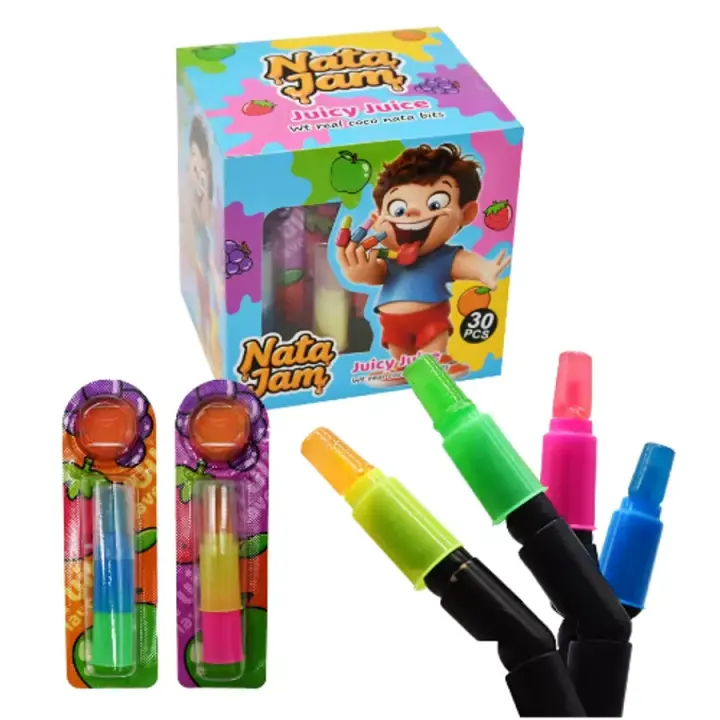
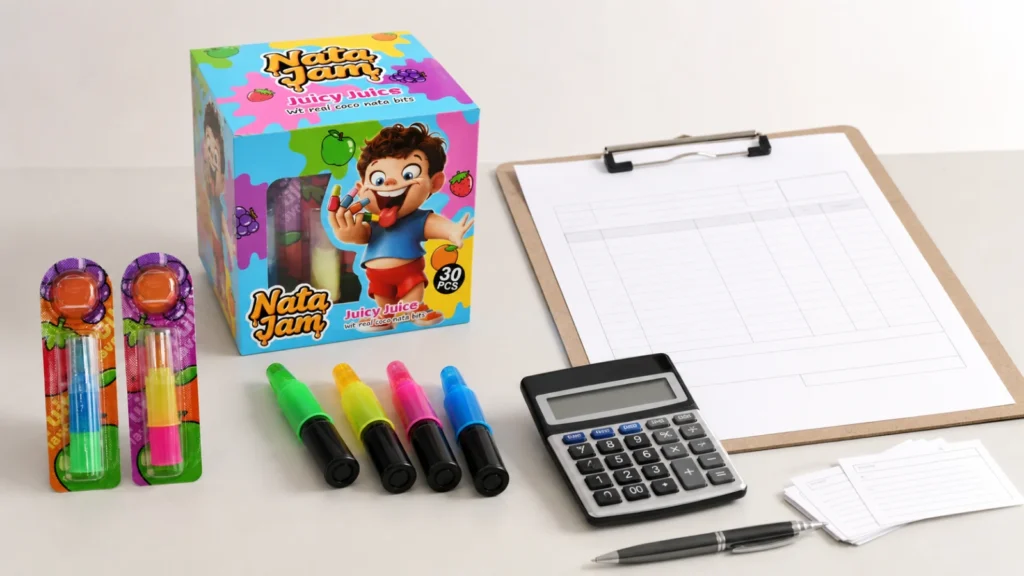
For a concrete order line, use KidStar SKU YMX-162 Finger Dipping Candy. Its current record lists 5 g / 9 g options, 30 sticks per display box, and 20 display boxes per carton. The product, quantity, PI version, seller identity, and expected beneficiary should remain linked while the bank-change request is checked.
Understand why a familiar thread is not enough
The FBI describes business email compromise as a scheme in which a message appears to come from a known source and asks for a legitimate-looking payment action. Examples include a vendor invoice with changed instructions or a wire request sent from a compromised account. The FBI advises businesses to verify changes in account numbers or payment procedures with the person making the request and to use a phone number found independently rather than one supplied in the suspicious message.
A real supplier may change banks for valid reasons. The control is not to accuse the supplier; it is to treat any payment-routing change as a separate identity event. A long email history, correct product details, or urgent shipment story does not replace independent confirmation because an attacker may have access to a genuine thread.
Apply seven checks before accepting the change
Use one log that records who checked each point, when, and through which route.
| Step | Verification action | Evidence to retain | Stop signal |
|---|---|---|---|
| 1. Freeze payment | Pause the transfer and mark the request as changed | Internal hold timestamp | Pressure to pay before review |
| 2. Verify the sender route | Compare full email/domain details and known contact history | Header or route note | Look-alike domain or new chat account |
| 3. Call a known contact | Use a number already on file, not the new message | Date, person, and call outcome | Refusal to use an established route |
| 4. Match the legal beneficiary | Compare seller legal name, account title, and approved counterparty | Beneficiary comparison sheet | Unexplained personal or third-party beneficiary |
| 5. Reconcile the order | Match SKU, quantity, currency, PI, and due amount | Current approved order version | Product or amount changes hidden in the request |
| 6. Require second approval | A different authorized reviewer checks the evidence | Approval name and time | One person can change and release payment alone |
| 7. Confirm the bank release | Give the bank only the independently confirmed instruction | Bank reference and approved record | Transfer details differ at final entry |
If any row remains open, keep the hold. The purpose is to prevent a time-sensitive request from bypassing the buyer’s ordinary control path.
Keep the YMX-162 order version attached
Payment verification is stronger when the buyer can prove which commercial order the request belongs to. For YMX-162, the current product record contains more than one possible unit weight, so the payment file should state the exact quoted option.
Keep these fields together:
- SKU YMX-162 and the live product link
- selected 5 g or 9 g version
- 30 sticks per display box and 20 display boxes per carton, unless a signed revision says otherwise
- ordered cartons and pricing denominator
- currency and total amount
- PI or order reference and issue date
- payment stage, such as deposit or balance
- approved seller legal entity
- expected beneficiary and bank route from the last verified record
The YMX-162 product page fixes product identity. It does not validate a bank account; beneficiary verification belongs to the buyer’s finance and counterparty process.
Verify through a previously known route
Do not reply to the changed-payment email and ask whether it is real. That keeps the whole check inside the possibly compromised channel. Instead, open the company record, earlier signed documents, or a previously verified contact list and initiate a fresh call or message.
During that contact, ask the known person to confirm:
- whether the company requested a bank change
- the effective date and reason category, without exposing unnecessary banking data in chat
- the seller legal entity and beneficiary name
- which PI or payment stage the instruction applies to
- the approved person who can issue the formal instruction
- a second established route for confirmation
Record the outcome, but do not store sensitive account details in a public note. Follow the buyer’s access-control and retention rules.
Reconcile the commercial file before finance approval
A bank change can arrive beside an updated PI, revised quantity, changed currency, or new shipment promise. Split those into separate controls so one urgent message cannot change the entire order at once.
| Field | Approved baseline | Changed request | Required owner |
|---|---|---|---|
| Product version | Exact YMX-162 weight and pack | No silent substitution | Buyer/product owner |
| Quantity and amount | Approved cartons and currency | Written commercial revision | Buyer/finance |
| Seller entity | Contracted counterparty | Formal explanation if changed | Legal/finance |
| Beneficiary | Last verified payment record | Independently confirmed instruction | Finance/controller |
| Timing | Approved payment milestone | Evidence for any acceleration | Buyer/operations |
| Bank route | Known account procedure | Second-channel verification | Finance/bank |
If the product or packaging changes, use the packaging customization page to separate that scope from the payment-route check. A new bank instruction should not be used to approve new artwork, quantities, or specifications.
Use two-person release control
The person who receives the change should not be the only person who verifies and releases it. Give a second authorized reviewer the baseline, new request, independent-contact record, beneficiary match, and current PI. That reviewer should be able to reproduce the decision without relying on a verbal summary.
The U.S. International Trade Administration’s Trade Finance Guide emphasizes that international payment methods distribute risk differently and that importers and exporters need to understand required documents. Buyers should choose the payment method and review depth with their bank and trade-finance advisers. This article does not select a payment method for a specific transaction.
Use the MOQ and lead time page to verify whether the requested payment timing is consistent with the actual production and shipment plan. Unexpected urgency should be explained, not merely accepted.
Know what to do if funds already moved
If a suspicious transfer has already been sent, contact the financial institution immediately and request the appropriate recall or fraud response. The FBI also directs U.S. victims to report business email compromise through the Internet Crime Complaint Center. Buyers outside the United States should follow their bank’s instructions and local reporting route.
Do not wait for the supplier thread to resolve itself before contacting the bank. Keep transaction references, messages, verification attempts, and internal approvals available for the response team.
Send one controlled payment-change brief
A bank-change request is ready for approval only when the buyer has independently reached a known supplier contact, matched the legal beneficiary and order version, reconciled YMX-162 and the amount, obtained a second approval, and confirmed the final payment instruction through the buyer’s normal bank process.
For a commercial reconciliation, send the destination, exact YMX-162 version, quantity, PI reference, payment stage, timing, and non-sensitive open questions through the contact page. Do not send account credentials or confidential banking data through the web form.
Sources reviewed
- FBI: Business Email Compromise, reviewed August 27, 2026.
- U.S. International Trade Administration: Trade Finance Guide, reviewed August 27, 2026.
- KidStar YMX-162 Finger Dipping Candy product record, reviewed August 27, 2026.