The 2026 confectionery-experience trend is a reason to test distinctive formats, not a reason to assume demand. ISM Cologne’s 2026 trend review says 60% of surveyed consumers were looking for new experiences, while 46% primarily relied on familiar products. For importers and distributors, the useful response is a controlled product-and-channel test with explicit pass criteria.
KidStar SKU YMX-159 Long Glow Stick Candy offers one exact jar route: 12 g per candy, 50 sticks per jar, and 10 jars per carton. The direct answer is to test the visible long-stick format, retail jar, sample experience, and replenishment logic together. Do not treat “glow stick” as proof of a light-up feature, toy component, formula, or claim; the current product file and sample must define what is actually being sold.
Read the 2026 experience signal carefully
ISM’s current trade-fair review says confectionery innovation is moving toward new sensory experiences, including combinations of texture, while familiar products still retain strong consumer pull. That makes the buyer’s job more disciplined, not less. A visually different product can earn attention, but a wholesale program still needs repeatable product quality, a clear resale unit, and a channel that can explain the format.
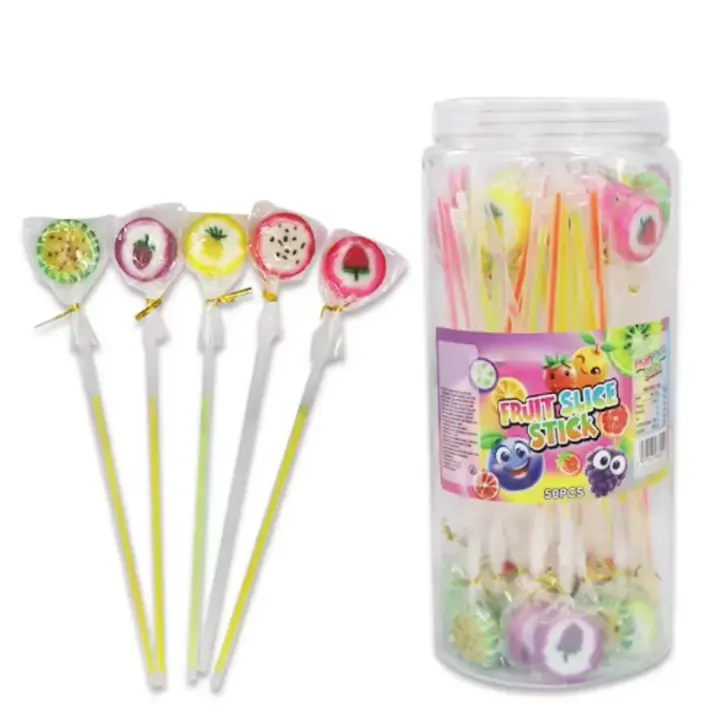
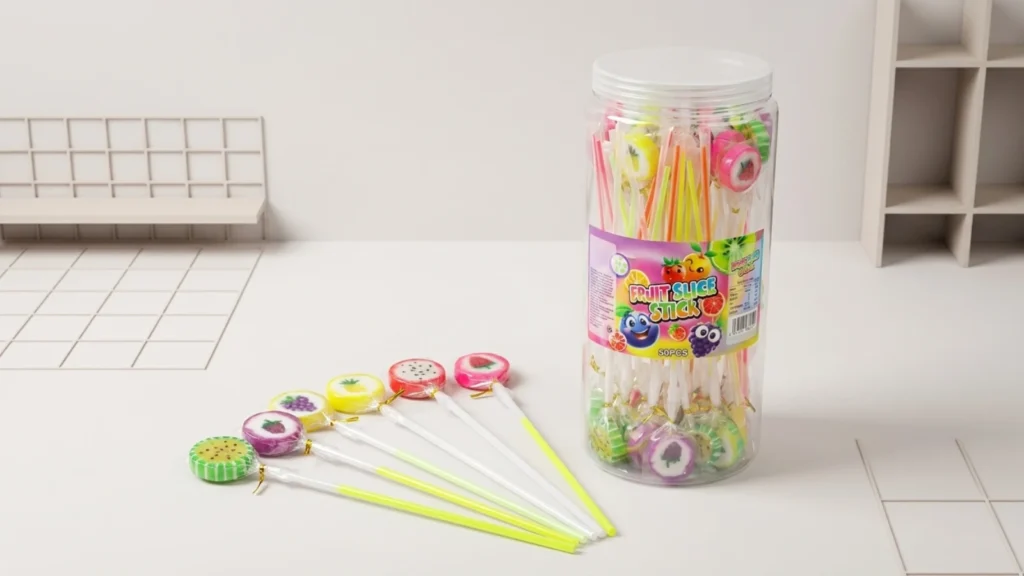
YMX-159 should therefore be treated as one testable product route, not as proof of the broader trend. The reference image shows fruit-slice candy heads on long sticks beside a clear retail jar. Buyers can evaluate that visible format, but should not claim multiple textures or another sensory benefit unless the current specification and sample support it.
A useful market test asks three separate questions:
- Attention: Does the long-stick-and-jar presentation help the intended retailer explain the product?
- Acceptance: Does the received sample meet taste, handling, packaging, and label expectations?
- Replenishment: Can the 50-stick jar and 10-jar carton fit a realistic reorder rhythm?
Turn the product name into a buyable specification
Product names often begin as short catalog labels. An RFQ needs a more controlled description. For YMX-159, the current record provides four useful anchors:
- exact SKU: YMX-159
- listed unit weight: 12 g
- retail presentation: 50 sticks per jar
- shipping hierarchy: 10 jars per carton
The buyer still needs the current specification sheet and a physical sample. The reference image can help identify the expected family of product, but it cannot establish ingredients, colors, flavors, shelf life, certifications, or target-market compliance. It also cannot prove that every future production version will use identical artwork.
This is why the YMX-159 product page should be sent with the RFQ. A supplier can then answer against one product record instead of guessing which “long stick candy” the buyer saw in a catalog or chat.
Map the 12 g unit, jar, and carton separately
GS1 describes a trade-item hierarchy as linked levels such as the consumer unit, pack, case, and pallet. A candy buyer does not need to assign barcodes during the first inquiry, but the same hierarchy is useful for preventing quotation errors.
| Level | Current YMX-159 record | Buyer confirmation needed |
|---|---|---|
| Edible unit | 12 g long-stick candy | Confirm current shape, dimensions, flavor assortment, and whether 12 g is net content per stick |
| Primary wrap | Individually presented stick in the reference image | Confirm material, sealing, artwork, and target label language |
| Retail unit | 50 sticks per clear jar | Confirm jar dimensions, closure, label panels, and whether the jar is sold as one unit |
| Shipping unit | 10 jars per carton | Confirm gross/net weight, carton dimensions, marks, and current loading data |
The KidStar carton-data guide is useful for early loading estimates, but the buyer should request the current shipment data again before placing an order. A container calculation is only reliable when the confirmed carton version matches the version being quoted.
Decision table: where the experience test fits
The question is not whether a long candy stick looks distinctive. It is whether the 50-stick jar performs a clear commercial job in the target channel.
Use the retail-ready confectionery pack guide to frame the shelf-presentation questions, then test YMX-159 as its own jar route rather than copying another product’s display assumptions.
| Buyer route | Potential fit | What to test first | Hold signal |
|---|---|---|---|
| Independent grocery or value retail | Good candidate when the jar is the resale unit | Jar footprint, shelf visibility, count accuracy, and target retail price | Jar is too large for the planned shelf or price point |
| Cash-and-carry wholesale | Possible when customers buy complete jars | Carton-to-jar math, carry durability, and reorder quantity | Buyer actually needs individually priced sticks rather than full jars |
| Counter or impulse program | Needs a defined merchandising plan | Whether the jar opens for display, how units are handled, and local hygiene controls | No approved way to sell or handle opened units |
| Private-label project | Review after the stock route passes | Artwork panels, minimum order direction, barcode ownership, and language versions | Custom work starts before the product and channel are validated |
This table is a screening tool, not a promise that every route is available. Share the intended outlet and resale unit through the contact page so the current option can be checked.
Inspect the real product before approving claims
The highest-risk mistake is letting a creative catalog name turn into an unsupported consumer promise. “Glow” could be read differently across markets. Unless the current supplier file explicitly confirms a feature, the buyer should describe the item neutrally as the exact YMX-159 long-stick candy and submit the final consumer wording for destination-market review.
A useful sample request should ask for more than taste. Review:
1. Whether the sample matches the product-page image and quoted SKU. 2. The stick length, candy-head shape, unit weight, and assortment. 3. Wrap seals and whether the long stick bends or moves during handling. 4. Jar closure, label area, count, and space needed on shelf. 5. The production artwork and ingredient file that would accompany the quoted version.
Photograph the received sample beside a ruler and the jar label, then attach those images to the RFQ version. That gives the buyer, supplier, and internal sales team the same reference.
Build a trend-to-RFQ checklist
Before requesting a final quotation, include:
- SKU YMX-159 and the live product link
- destination country and planned sales channel
- confirmation request for 12 g × 50 sticks × 10 jars
- whether the jar or individual stick is the intended resale unit
- required label language and the party responsible for artwork
- requested order quantity or mixed-container direction
- sample purpose and acceptance checks
- requested Incoterm, destination port, and timing
- current ingredient, allergen, shelf-life, and packaging files required for buyer review
- a written note that unverified light-up, health, certification, or compliance claims must not be used
If the stock route passes the sample and channel test, the packaging customization page can frame a separate artwork discussion. Keeping stock-product validation and custom packaging as two stages prevents the quote from drifting.
Send one controlled market-test brief
YMX-159 becomes easier to compare when every supplier response refers to the same unit, jar, carton, and destination. Use the 2026 experience trend to frame the hypothesis, then use the confirmed specification, sample, and retailer evidence for procurement.
Start a Buying Brief with the market, channel, resale unit, quantity direction, sample checks, and required files. KidStar can then review the current YMX-159 route without turning an ambiguous catalog name into an unsupported product promise.