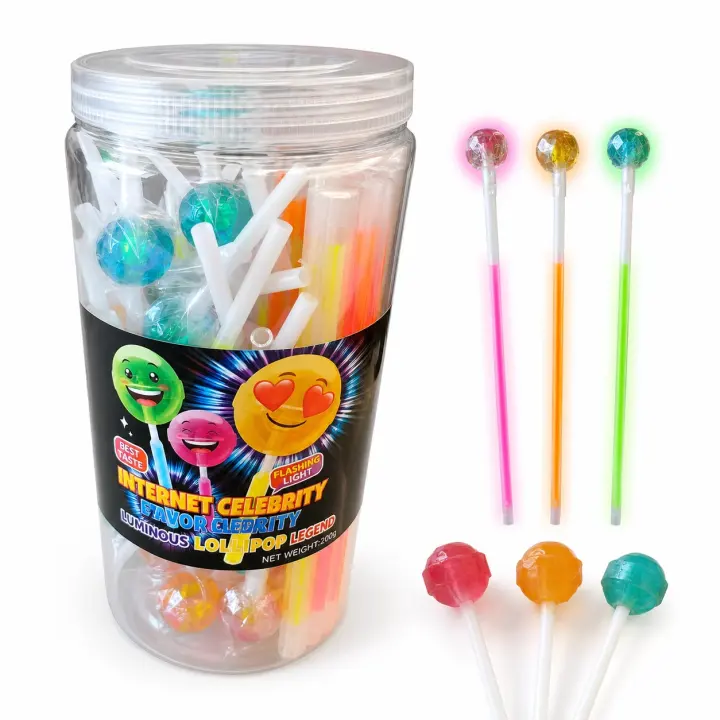
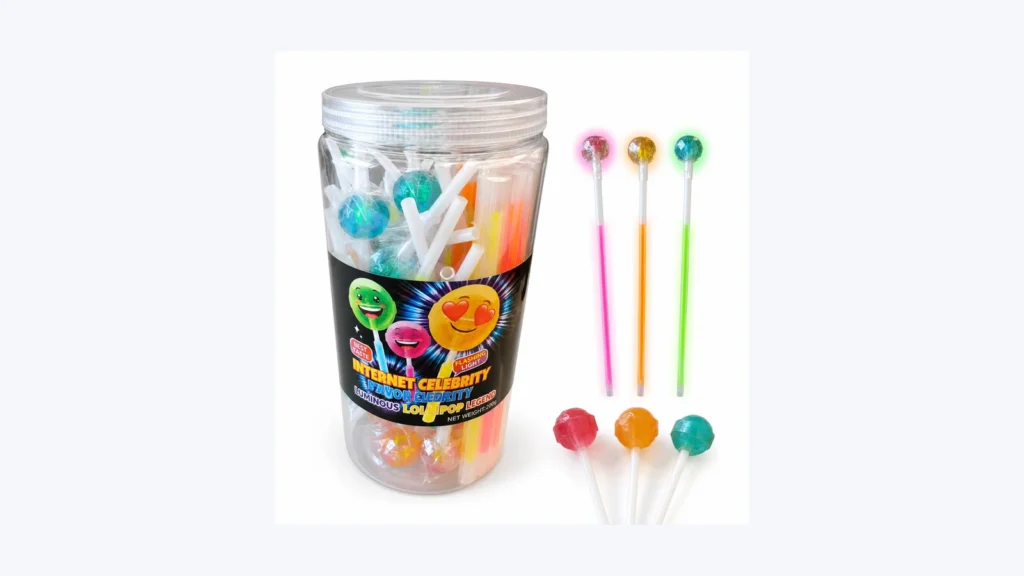
If you are comparing an assorted lollipop jar program for import, the most useful first step is to judge the jar route before you ask for a final quote. KidStar SKU YMX-197 is the practical case: 10 g assorted lollipops packed as 60 pieces × 12 jars per carton. That means the buyer is not only choosing a lollipop flavor mix. The buyer is choosing a jar-based retail unit, a carton rhythm, and a channel role that should stay commercially clear before price comparison starts.
The direct answer is simple: YMX-197 usually fits best when the buyer needs one ready-made jar line for value retail, family-share shelf placement, or mixed-confectionery distribution, and when the team can confirm that the jar itself is the real selling unit. Importers, distributors, wholesalers, and private-label buyers often slow the process down because they ask for "lollipop price" while still leaving the retail unit, the channel job, and the first-order purpose vague.
Start with the exact YMX-197 jar route
The current YMX-197 product page already gives the buyer a workable commercial frame:
- exact SKU: YMX-197
- category: Lollipop
- unit weight: 10 g
- retail presentation: 60 pieces per jar
- shipping route: 12 jars per carton
The wider KidStar carton-data guide adds another useful layer: the current carton size is listed as 46.7 × 35.2 × 25.3 cm, about 0.042 CBM per carton, which is roughly 673 cartons in a 20ft container and 1394 cartons in a 40ft container. Those numbers matter because a jar route should be judged on more than shelf appearance. The buyer also needs to understand how the retail unit behaves in export terms.
That is why the first supplier discussion should stay anchored to one exact jar program instead of drifting into generic "mixed lollipop" language.
Read the jar as the real retail decision
For YMX-197, the jar is not only packaging. It is the commercial route the buyer is screening.
Before asking for a final quote, buyers should confirm:
1. whether the 60-piece jar is the unit the market actually wants to sell 2. whether the line is for value shelf, family-share retail, cash-and-carry, or a mixed wholesale assortment 3. whether the buyer needs a stock jar route now or is already thinking about later packaging customization 4. whether the first order is a jar-line test, a mixed-container support item, or part of a broader lollipop program
Those answers change the meaning of the same SKU. A jar lollipop program can work well where visible count, easy handling, and straightforward shelf display matter. The same route becomes weaker when the buyer actually needs single-unit impulse checkout, loose repack, or a custom-pack launch from day one.
Decision table: when YMX-197 usually fits
| Buyer situation | Does YMX-197 usually fit? | Why it fits | What the buyer should confirm first |
|---|---|---|---|
| Value-retail buyer needing one clear jar lollipop line | Usually yes | The jar gives a visible, ready-made shelf unit | Confirm that the jar itself is the intended selling unit |
| Distributor building a mixed confectionery carton | Often yes | YMX-197 can add a familiar lollipop line without forcing a display-box route | State how many jars or cartons belong in the first mix |
| Family-store or general-trade program | Often yes | The jar route is easy to handle and easy to explain | Check whether the outlet prefers jar display or smaller impulse units |
| Buyer asking only for the cheapest lollipop quote | Not yet | The route is still under-briefed, so supplier answers will drift | Fix the channel, unit, and first-order role first |
| Buyer already planning a custom launch pack | Not as a first step | The stock jar route should be screened before custom scope expands | Separate stock-route review from later pack changes |
This table is useful because it turns a broad lollipop request into one real buying case. A supplier can only return a comparison-ready answer when the buyer has made that case explicit.
What buyers should send before requesting a quote
The strongest first brief for YMX-197 is short and operational. It usually includes:
- exact SKU YMX-197
- target market and outlet type
- confirmation that the 60-piece jar is the phase-one retail unit
- first-order direction in jar or carton terms
- sample purpose and timing
- whether the current discussion is stock route only
- whether the line is a standalone test or part of a wider assortment
This is where the samples page becomes practical. A sample should help the buyer judge the jar presentation, the count logic, and the shelf fit, not only the candy taste. The MOQ and lead time page matters too, but only after the buyer has fixed the actual route being reviewed.
In practice, many jar programs become messy because one team is pricing the candy while another is thinking about the jar, the shelf, and the container load. Writing the retail unit directly into the quote request removes that confusion early.
When buyers should hold instead of rushing the RFQ
YMX-197 should usually stay in review when:
- the buyer likes the assortment but has not named the outlet type
- the team still cannot say whether the jar route is really acceptable
- the project is mixing stock-route screening with private-label ambitions too early
- the quantity direction is still too vague to judge carton rhythm
- the buyer is comparing jar lollipops against display-box or loose-unit routes without restating the actual sales job
Holding is not failure. It is what stops the first quote from becoming a correction exercise later.
The cleaner move is to keep one approval file that ties together the exact SKU, the jar route, the intended outlet, the first-order direction, and the sample question. Once that file is clear, supplier answers become much easier to compare.
Checklist before you compare assorted lollipop jar offers
- Fix the exact SKU: YMX-197.
- Treat the 60-piece jar as the comparison baseline unless the buyer states a different unit.
- Name the outlet role: value shelf, family-share, mixed wholesale, or general trade.
- Use samples to confirm route fit, not only product taste.
- Pair the quote request with MOQ and lead time only after the route is clear.
- Use product catalog for comparison only after YMX-197 has a named commercial role.
- Move to packaging customization later, only if the stock jar route already proves useful.
If you want KidStar to review whether YMX-197 belongs in your first jar-lollipop shortlist, send the market, outlet type, jar role, carton direction, and sample goal through the contact page. That gives the team enough context to answer with a route-specific recommendation instead of another generic lollipop quotation.