Packaging is one of the fastest ways to improve or weaken a confectionery program. Importers often focus on product style first, which is reasonable, but the pack route frequently decides whether a quote, sample plan, and shelf strategy make sense together. The right format is not simply a design preference. It is part of the commercial model.
Pouch and bag formats for flexible retail programs
Pouch and bag formats usually work well when the buyer wants easier pack-size flexibility and a more practical route for everyday retail or distribution. They are often the first option considered when the project still needs room to adjust assortment, size, or secondary packaging.
For importers, the main advantage is clarity. Pouch-based projects are often easier to explain internally because the pack logic feels familiar and commercially grounded. They are also useful when the buyer wants to compare more than one size option before finalizing the route.
Jar formats for stronger shelf identity
Jar formats tend to feel more defined from a retail perspective. They can work well when the buyer wants a stronger shelf presence, a more visible product identity, or a pack that feels easier for consumers to understand at first glance.
The trade-off is that jar decisions should be made with quantity, channel, and presentation goals in mind. A jar can improve visibility, but it also changes the packaging conversation enough that the supplier needs the brief earlier, not later.
Box and display-ready routes when presentation matters
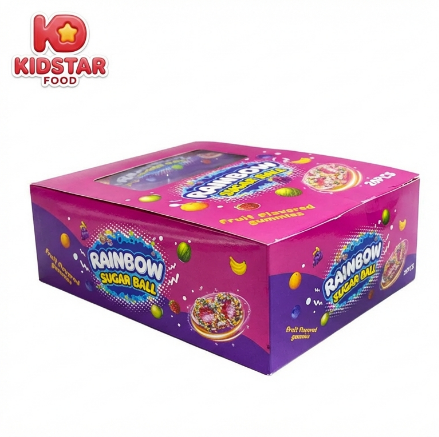
Box and display-ready formats can make sense when the project depends on visual impact, mixed contents, or novelty positioning. These routes are often less about simple containment and more about how the product is presented in-store or at the point of sale.
That means buyers should not ask about these formats as if they are a minor variation. They are often a different packaging path with different practical considerations for planning, quote follow-up, and final approval.
Private label packaging is a workflow, not only a file handoff
Many importers think private label packaging begins when artwork is sent. In reality, it begins much earlier. The supplier still needs to understand the destination market, the target pack type, the order scale, and the timing. Without those inputs, artwork discussion becomes disconnected from the commercial project.
A better approach is to align packaging in this order:
- market and commercial goal
- pack format direction
- quantity and timing
- label or artwork inputs
This sequence helps the supplier respond with fewer assumptions and fewer revisions.
What to send when asking about confectionery packaging
If you are comparing packaging routes now, include these points in the first message:
- destination market
- preferred format such as pouch, jar, or box
- estimated quantity
- target launch timing
That is enough information for a supplier to say whether the route is realistic and what should be clarified next.
Conclusion
Custom confectionery packaging works best when it supports the sales route, not when it is treated as a last-minute design choice. Importers who define market, format, quantity, and timing early usually get much clearer answers and faster packaging alignment.
If you are deciding between packaging routes now, review our Product Range page for the broader product context and then send your packaging brief through Contact.