
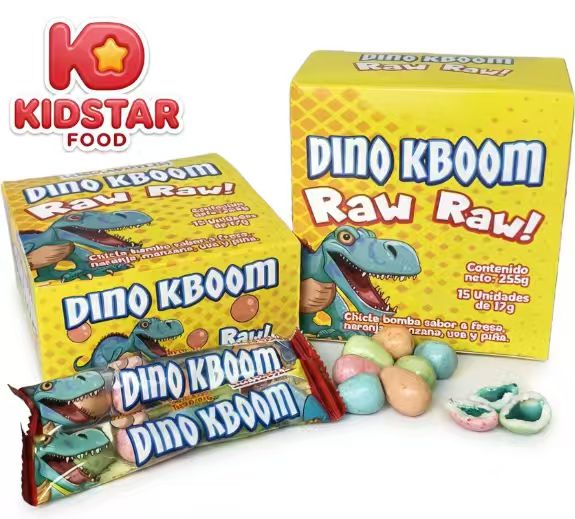
Importers and distributors often compare bulk supply with private label as if they were only different pricing routes. In practice, they are different operating models. One is usually better for faster market entry and simpler replenishment. The other is better when the buyer needs pack control, brand identity, or a more differentiated shelf story. Choosing the wrong route early can waste time on samples, artwork, and quote revisions that were avoidable from the start.
When bulk confectionery supply is the better fit
Bulk or stock-style supply is usually the stronger option when the buyer wants to move quickly and is not trying to build a distinct retail identity yet. This model often makes sense for distributors, general traders, and importers that already know their downstream customers want proven categories rather than a fresh branded concept.
Typical situations where bulk supply works well include:
- the market needs a fast replenishment route
- the buyer is serving wholesale or distribution channels first
- packaging customization is limited or not yet necessary
- the goal is to validate demand before investing in a branded pack
In these cases, speed and commercial clarity often matter more than having full control over every packaging detail.
When private label makes more sense
Private label becomes the better path when the buyer needs the product to support a specific retail or brand strategy. The conversation is no longer only about product availability. It becomes about how category, pack format, artwork, and launch timing work together.
Private label usually fits better when:
- the buyer already has a defined sales channel or retail concept
- packaging and front-of-pack presentation matter commercially
- the buyer needs more control over how the product is positioned
- the project includes label adaptation or market-specific pack planning
That does not mean every project should become a custom program. It means private label is useful when the commercial goal requires more than fast stock movement.
The real trade-off is speed versus control
Most buyers are really balancing two priorities. They want a route that moves quickly, but they also want enough control to support their market strategy. Bulk supply usually wins on simplicity and faster project movement. Private label usually wins on presentation, category ownership, and brand fit.
A practical comparison looks like this:
- Bulk supply usually reduces early coordination and speeds up the first commercial decision.
- Private label usually adds more packaging, artwork, and approval work before the project becomes stable.
- Bulk works better when the buyer is still testing demand.
- Private label works better when the buyer already knows how the product should appear in the market.
The wrong choice is often not choosing one model over the other. It is trying to run a private-label project while still thinking like a bulk buyer, or expecting bulk supply to behave like a finished brand program.
What buyers should clarify before deciding
Before choosing the route, the buyer should send a short brief that explains:
- the target market
- the confectionery category or assortment direction
- the preferred pack type
- the expected quantity range
- the launch timing
Those points help the supplier say whether the project is better handled as a simpler stock path or a more customized private-label program. Without that basic context, the conversation often drifts into vague product requests and unhelpful price comparisons.
Conclusion
Bulk confectionery and private label are not competing answers to the same question. They solve different commercial needs. Bulk is usually the better route when speed, simplicity, and market testing matter most. Private label is usually the better route when pack control, positioning, and channel fit matter more.
If you are weighing those two options now, start from our Product Range page and then send the project brief through Contact. A clearer comparison always starts with a clearer brief.