A candy pre-shipment inspection should lock the lot identity, approved sample, defect list, sampling plan, product checks, consumer pack, label and code, display, carton, evidence, and release authority before an inspector arrives. KidStar SKU YMX-143 Bear Marshmallow is listed as 10 g × 30 pieces × 20 boxes, giving importers a real hierarchy for writing the brief.
The direct answer is to make the inspection executable: every check needs an agreed method, sample reference, result format, and decision owner. A generic request to “check quality” invites inconsistent judgments and does not prove compliance, shipment fitness, or production consistency.
Freeze the shipment identity first
Put the commercial identity at the top of the inspection instruction:
- purchase order and supplier
- SKU YMX-143 and listed product name
- approved sample or specification version
- 10 g consumer-unit basis
- 30-piece inner or display-box count
- 20-box carton route
- listed carton size: 67.5 × 20 × 29 cm
- production lot, intended quantity, and inspection location
- approved artwork and date/lot coding instruction
- buyer contact with hold-and-release authority
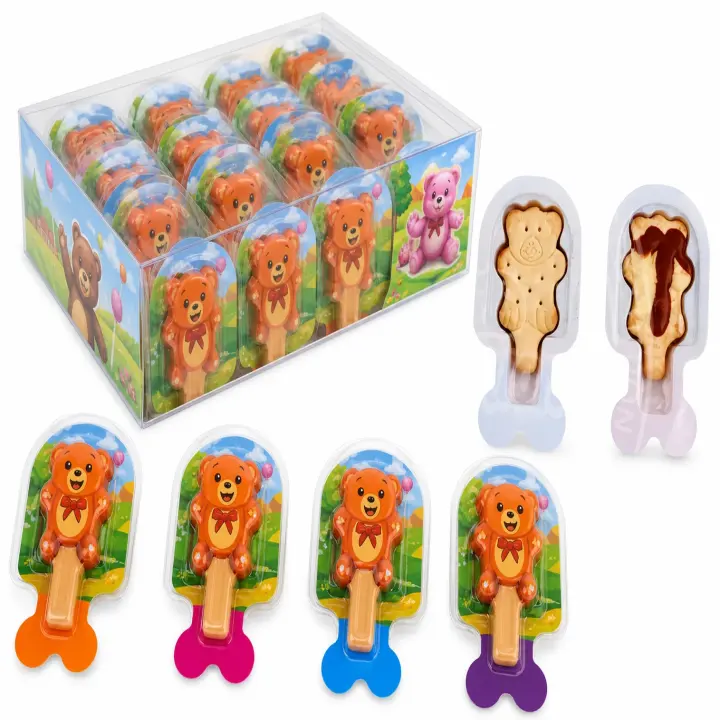
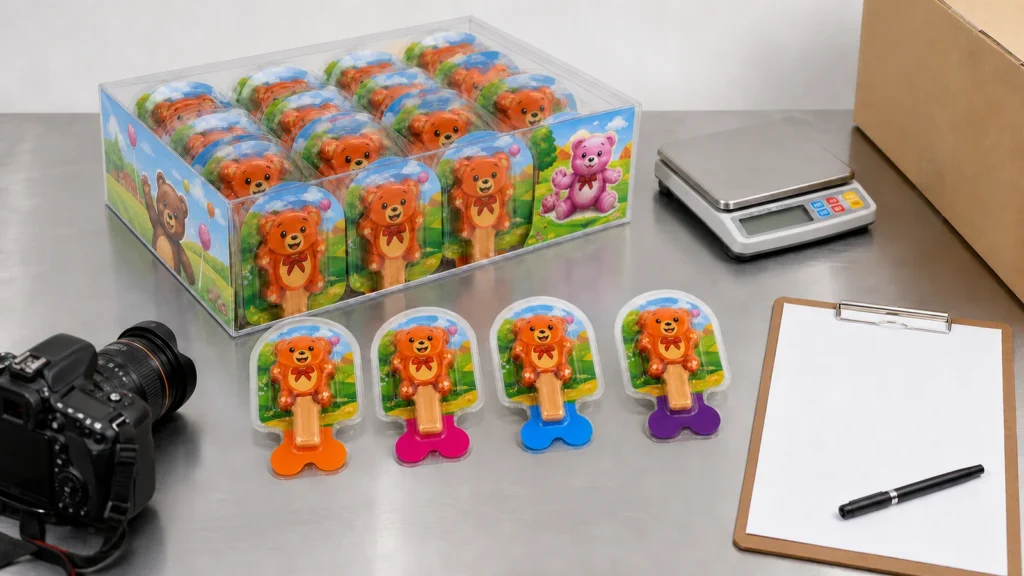
The current product image can help the inspector recognize the bear-shaped pack presentation. It does not establish the final formula, sensory standard, color mix, shelf life, certification, or destination status. The controlled specification and approved physical sample must resolve those items.
Lock ten buyer inputs in one inspection brief
Use a table that distinguishes what is being checked from how the buyer will decide.
| Input | Instruction to define before inspection | Required evidence |
|---|---|---|
| 1. Lot identity | PO, SKU, quantity, lot, production status, and pack version | Factory and lot overview photos |
| 2. Reference | Approved sample, specification, artwork, and change log | Version-controlled files |
| 3. Defect classes | Buyer-defined critical, major, and minor examples | Defect catalogue with photos |
| 4. Sampling | Lot definition, current standard or buyer plan, inspection level, and chosen limits | Written sampling instruction |
| 5. Product checks | Observable shape, condition, count, weight-check method, and agreed sensory route | Result sheet and checked-unit photos |
| 6. Consumer pack | Seal, closure, cleanliness, damage, and presentation | Front, back, edge, and opened-unit photos |
| 7. Label and code | Approved artwork, barcode data, net content, lot/date format, and print legibility | Close-ups and scan/check records |
| 8. Display and carton | 30-piece count, 20-box arrangement, markings, protection, and dimensions | Loaded display and carton photos |
| 9. Evidence package | Photo naming, measurement records, defects, counts, and inspector conclusion | Complete report index |
| 10. Release rule | Accept, rework, re-inspect, hold, or reject authority | Named buyer decision and timestamp |
Do not copy defect tolerances from another candy or another buyer. The defect catalogue should describe the exact YMX-143 conditions that matter to this program.
Choose the sampling route deliberately
ISO’s current ISO 2859-1:2026 describes acceptance-sampling schemes indexed by acceptance quality limit for lot-by-lot inspection. The ISO page explains that the system uses sample-based inspection and includes single, double, or multiple sampling schemes. It is a framework; it does not choose the buyer’s defect classes, AQLs, inspection level, or product-specific checks.
The importer should therefore state which current standard or contract method applies and have a qualified quality professional translate it into the actual sample size and acceptance/rejection numbers for the lot. Do not ask an inspector to invent these values on site.
Also separate three ideas:
- sampling result: whether the checked sample meets the written acceptance plan
- shipment decision: whether the buyer releases, holds, reworks, or rejects the lot
- regulatory status: whether the product and shipment meet destination requirements
One result does not automatically prove the others.
Inspect every pack level
YMX-143 is not just one candy piece. The buyer is receiving consumer units, 30-piece boxes, and a 20-box shipping route. Inspectors should check counts and condition at each level without assuming that an attractive front image means the full hierarchy is correct.
For the consumer unit, define checks for pack identity, closure, damage, contamination visible without laboratory analysis, print condition, and agreed code fields. For the 30-piece box, check count, loading, access, presentation, and deformation. For the shipping carton, check quantity, markings, dimensions if required, internal movement, damage, moisture evidence, and closure.
Use the retail-ready confectionery pack guide to define the presentation role and the candy barcode proof guide to keep barcode ownership, artwork, and printed-pack verification separate.
Make product checks repeatable
Words such as “good,” “normal,” or “cute” are not repeatable inspection instructions. Convert each important observation into a method:
- which sample is the visual reference
- how many units are opened
- where and how unit weight is checked
- which instrument is used and whether calibration evidence is required
- how shape, color, odor, taste, or texture is assessed if included
- what counts as broken, deformed, leaking, open, scuffed, misprinted, or unsaleable
- how nonconforming units are photographed and retained
Sensory assessment needs special care. A small on-site taste check is not a laboratory test and should not be presented as proof of food safety, formula conformity, or shelf life. Define its purpose and responsible participants in advance.
Control labels, codes, and documents
The inspector should compare the printed pack with the final approved artwork, not with an old email attachment. Identify the exact files and record whether the following match the approved version: product name, net content, ingredients and allergen route, language, importer or responsible-party fields, barcode data, lot/date format, storage statement, and carton markings.
The candy import document guide can help index product and shipment files. The inspection report should state which documents were physically or digitally reviewed, which were outside scope, and which questions remain with the buyer, laboratory, broker, or authority.
Never infer certification from a logo printed on a pack or from an unverified certificate image.
Define the evidence and release workflow
Require an evidence package that another decision-maker can audit without being at the factory. Include the lot overview, random-selection evidence, unit and pack photos, measurements, defect examples, count sheets, code close-ups, carton views, document list, and a result summary tied to the written plan.
End the workflow with one explicit state:
| State | Required buyer action |
|---|---|
| Accept | Authorized buyer releases the shipment |
| Rework | Supplier completes named corrective work before another decision |
| Re-inspect | New inspection scope and sampling instruction are issued |
| Hold | Shipment remains blocked while evidence or advice is obtained |
| Reject | Contractual rejection route is documented |
The inspection company may report findings, but the purchase contract should identify who owns the commercial release decision.
Send an inspection-ready YMX-143 brief
Before production release, send the PO route, exact YMX-143 version, approved sample, 10 g × 30 × 20 hierarchy, quantity, defect catalogue, sampling instruction, pack and code checks, evidence requirements, and named release owner through the contact page.
KidStar can then answer product and pack questions against one controlled inspection plan instead of a vague request to “make sure everything is okay.”
Sources reviewed
- KidStar YMX-143 Bear Marshmallow product record, reviewed August 30, 2026.
- ISO 2859-1:2026: Sampling procedures for inspection by attributes, published January 2026 and reviewed August 30, 2026.