For a small-pack candy wholesale test, KidStar SKU YMX-030 offers a precise starting record: 2.5 g × 5 pieces × 50 sticks × 12 bags per carton. Importers should treat that structure as a testable route, not as proof that the item will sell in every convenience market.
The direct answer is to use the 2026 convenience-channel signal as a hypothesis: buyers are scrutinizing price points, pack sizes, visibility, and range productivity, so a YMX-030 trial should lock the sellable stick, the milk-and-chocolate version plan, the 50-stick bag, the outlet role, and the reorder rule before scale-up. Do not translate U.S. channel reporting into a global sales forecast or claim a margin before local pricing and costs are known.
Why small-pack questions matter in 2026
NACS reported in June 2026 that U.S. convenience retailers were still managing inflation pressure, product proliferation, and cautious consumer spending. The same report says operators and suppliers were considering price-point-friendly pack sizes, while convenience remained a place where shoppers discover and trial new candy. Those are channel observations, not a promise about YMX-030.
The National Confectioners Association’s State of Treating 2026 adds a broader U.S. signal: consumers were weighing purchases more carefully, yet confectionery engagement remained high. For an importer, the useful inference is not “small packs always win.” It is that pack role and trial economics deserve their own decision before a new line receives a large allocation.
This article therefore uses `small-pack candy wholesale` as a buyer problem: how to design a controlled channel test when shelf space and consumer budgets are under pressure.
Translate YMX-030 into a sellable route
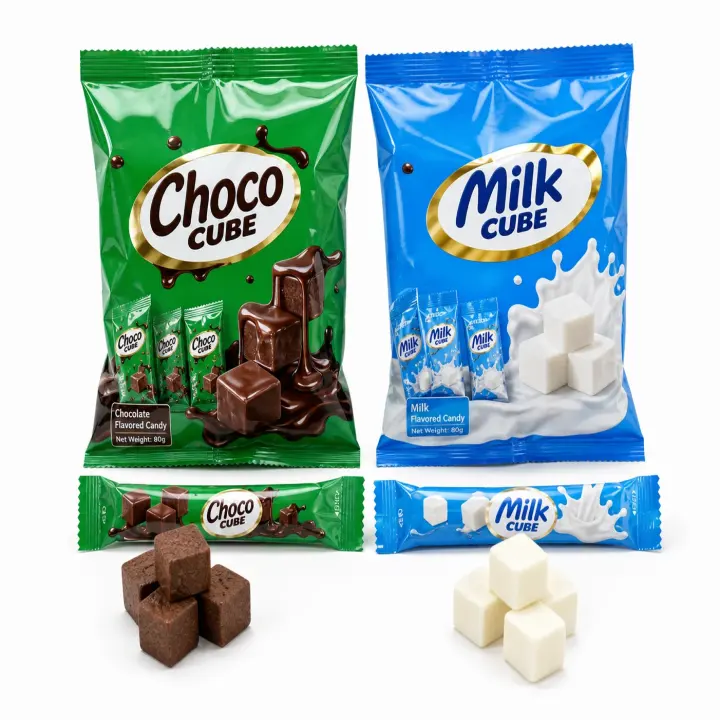
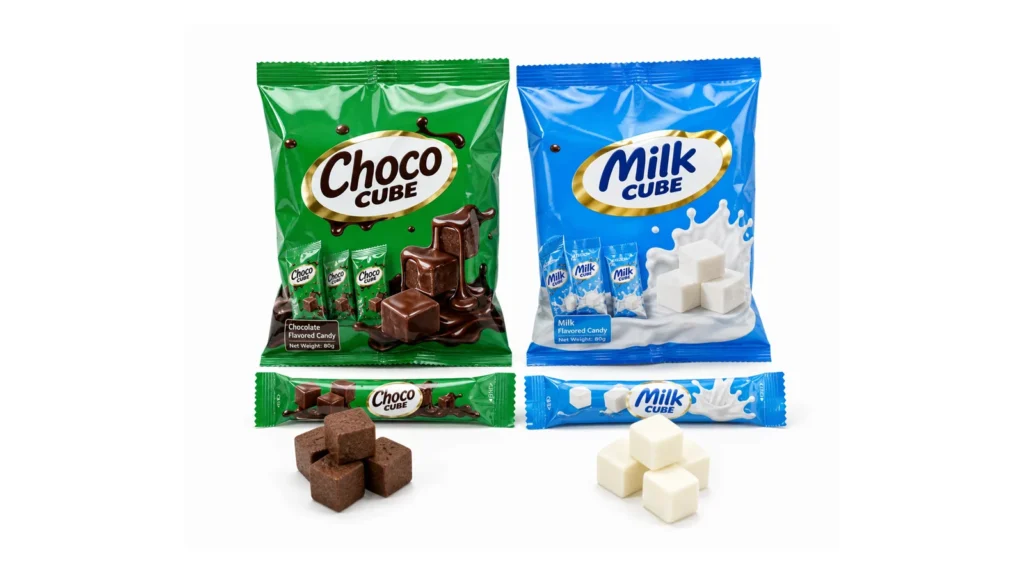
The visible product reference shows milk- and chocolate-positioned outer bags, individual stick packs, and cube pieces. The product-library record supplies the hierarchy. The buyer must still confirm the exact commercial version and decide which level is sold.
| Level | Current YMX-030 record | Question for the channel test |
|---|---|---|
| Candy piece | 2.5 g | Is this weight confirmed for the quoted version? |
| Stick | 5 pieces | Is the stick the consumer unit and the price-point anchor? |
| Bag | 50 sticks | Does the outlet replenish from a full bag or receive smaller allocations? |
| Carton | 12 bags | How many bags go to each pilot outlet and when is reorder reviewed? |
| Version | Milk and chocolate are pictured | Is the trial mixed, split by version, or restricted to one version? |
The existing YMX-030 pack-route buyer guide explains the product hierarchy in more detail. For today’s market test, the important addition is a dated channel hypothesis and a stop-or-reorder rule.
Use a decision table before allocating cartons
| Trial route | What the buyer is testing | What must be fixed first | Useful decision signal |
|---|---|---|---|
| Convenience checkout | Whether the stick has a clear, visible role near payment | Stick presentation, local price architecture, display method | Reorders and remaining stock by outlet |
| Forecourt or kiosk | Whether a compact format fits limited space | Selling unit, replenishment frequency, heat and storage questions | Damaged units, stockouts, and reorder timing |
| Cash-and-carry | Whether the 50-stick bag is useful to small retailers | Wholesale unit, bag identification, carton allocation | Repeat bag orders from the same buyer type |
| Value retail | Whether milk and chocolate versions need separate placement | Exact version mix and shelf label | Version-level movement, not a blended total |
| Mixed confectionery pilot | Whether the SKU adds a distinct format to the range | No-substitution SKU line and capped allocation | Reorder versus carryover after the test window |
These signals are operational, not universal benchmarks. Set the test window and success rule before shipping so the team does not redefine success after seeing the result.
Test visibility without inventing a display claim
YMX-030 is recorded as sticks packed into bags, not as a 30-piece counter-display box. The buyer should not describe it as retail-ready simply because the individual wrappers are colorful. Use the retail-ready pack guide to separate three questions:
- Is the individual stick ready to be sold as the consumer unit?
- Does the 50-stick bag remain a distribution pack, or will it appear in the outlet?
- What approved holder, tray, hook, basket, or shelf method will make the stick visible?
If a display solution or different outer pack is needed, record it as a new packaging workstream. Do not treat an imagined display in a mockup as a confirmed factory format.
Sample for the actual c-store use case
Request a representative stock sample through the confectionery samples page, then review the stick and bag in the intended route:
- confirm YMX-030 and the current 2.5 g × 5-piece stick record
- identify the exact milk and chocolate versions supplied
- check wrapper and seal condition on arrival
- count the representative sticks and verify how the 50-stick bag is identified
- photograph front, back, label, date-code, barcode, and outer-pack views where available
- record how the stick will be presented without hiding required information
- separate product acceptance from any later artwork or private-label review
The sample should answer the buyer’s channel question. A tasting-only sample cannot validate bag handling, outlet allocation, or replenishment.
Write the pilot and reorder rule on one page
A useful 2026 small-pack brief includes the destination, outlet type, YMX-030 link, commercial version, consumer unit, local price architecture, bags per outlet, test window, sample status, and reorder owner. It also states what would stop the test: unresolved label questions, unclear pack hierarchy, sample mismatch, or no defined outlet presentation.
Avoid promising velocity, margin, or repeat orders. Those outcomes depend on local retail prices, taxes, freight, channel costs, placement, promotion, and consumer response. The supplier can provide product and pack evidence; the importer owns the local commercial assumption.
Build a controlled YMX-030 c-store test
The 2026 market signal supports disciplined testing, not trend chasing. YMX-030 becomes a useful small-pack candidate when its five-piece stick, 50-stick bag, 12-bag carton, version plan, outlet presentation, and reorder rule all line up.
Send KidStar a channel brief with the country, outlet type, consumer unit, milk/chocolate plan, intended presentation, sample deadline, bag allocation, test window, and document questions. That gives the team a concrete basis for the next sample or quotation.