Candy texture trends in 2026 are giving import buyers a reason to test jelly formats, but a trend is not an automatic purchase order. The U.S. National Confectioners Association’s 2026 research highlights discovery through both TikTok and physical stores, while trade coverage from the 2026 Sweets & Snacks Expo describes texture as a major innovation focus.
The direct answer is to use the trend as a shortlist signal, then test one exact product, pack, and channel. KidStar SKU YMX-140 Pudding Jelly is recorded as 60 g × 30 sticks × 12 boxes per carton. Buyers should confirm the actual texture, stick presentation, assortment, label inputs, display route, and repeat-order logic before deciding whether it belongs in a retail program.
Read the 2026 signal without exaggerating it
The NCA State of Treating 2026 reports that discovery differs by generation in its U.S. consumer study: 48% of Gen Z respondents found something new through TikTok, while 58% of Boomers found something new in stores. That does not mean a product should be designed for one platform or age group. It means buyers need both a digital explanation and a physical shelf route.
The NCA’s 2026 innovation awards also recognized products combining familiar candy categories with differentiated textures. Food Business News reported from the expo that crunchy, chewy, liquid-filled, freeze-dried, and other multisensory formats were prominent.
These are market observations, not proof that every jelly stick will sell. The useful buyer question is: can the exact sample create a clear eating and merchandising experience in the intended channel?
Use YMX-140 as a controlled test, not a trend claim
The current YMX-140 record gives the test a fixed base:
- product: Pudding Jelly
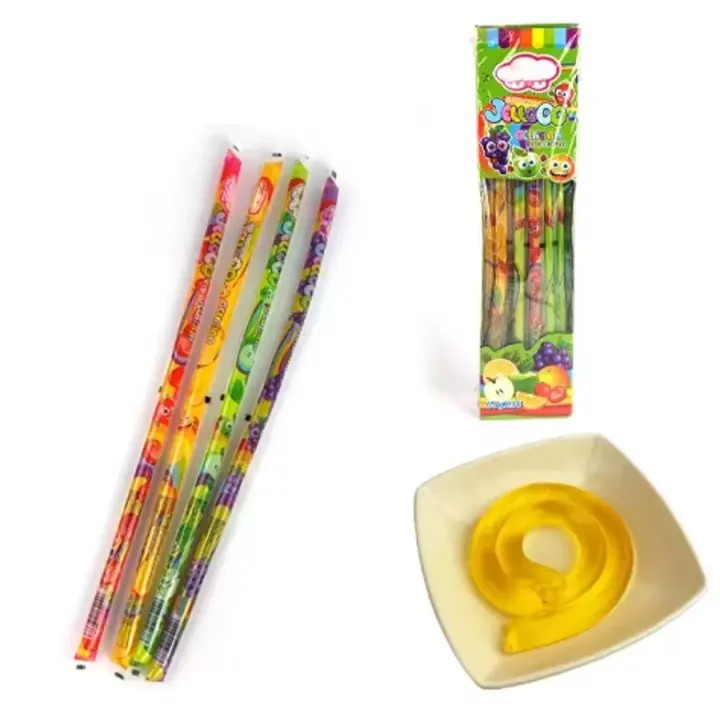
- unit: 60 g stick
- grouped pack: 30 sticks
- export carton: 12 boxes
- current carton dimensions: 49 × 21 × 43 cm
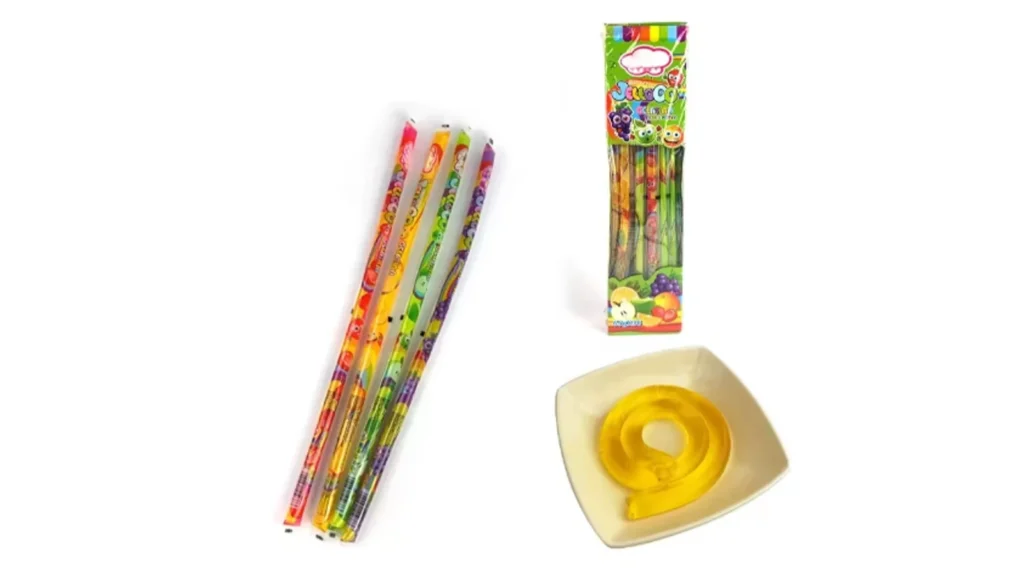
The reference image shows long, individually presented jelly sticks and a grouped retail pack. It does not establish the final flavors, ingredients, texture specification, shelf life, or destination compliance. Those points require the current sample and documents for the quoted version.
The YMX-140 product page should anchor every inquiry. Use the broader product directory only after deciding whether a stick format, cup, pouch, or another jelly route fits the channel.
Match the discovery route to the selling route
| Channel test | What the trend suggests | What the buyer must prove with YMX-140 |
|---|---|---|
| Social-commerce discovery | Visual and sensory formats may earn attention | The product can be explained accurately with the real pack and no exaggerated effect |
| Convenience or checkout | An individual stick can create a simple trial unit | The pack is visible, countable, and practical in the selected display |
| Supermarket confectionery aisle | Physical discovery still matters | The grouped pack, label panels, barcode plan, and shelf footprint are retailer-ready |
| Cash-and-carry or wholesale | Buyers may move full boxes to smaller outlets | The 30-stick box is a useful resale or replenishment unit |
| Mixed confectionery program | Jelly adds a different texture beside hard candy or chocolate | The exact carton allocation is based on outlet demand, not unused loading space |
This table keeps “texture-led” from becoming a vague marketing label. The channel, resale unit, and evidence should be visible in the same test plan.
Make the sample answer a sensory and operational question
Use the confectionery samples route to review the exact commercial version. A useful sample sheet records:
- SKU, sample date, and product version
- unit weight and grouped-pack count
- texture observations using plain, non-promotional language
- product condition when received and after the buyer’s defined handling check
- wrapper opening, leakage, seal, and date-code observations
- display visibility and remaining-pack order after units are removed
- current ingredient, allergen, nutrition, shelf-life, and label files received
- unresolved questions and the person responsible for each answer
Do not write a public texture claim from one person’s impression. Convert the sample result into an internal acceptance note, then confirm any consumer-facing wording through the buyer’s normal label and market review.
Separate trend discovery from commercial approval
A trend-led test should have three gates:
- Discovery gate: the format fits a real shopper or retailer problem.
- Product gate: the exact sample and documentation meet the buyer’s acceptance criteria.
- Commercial gate: quantity, pack route, carton allocation, destination, and timing support a repeatable order.
If the first gate passes but the sample does not, hold the SKU. If the sample passes but the channel has no defined replenishment route, keep it out of the first order. If all three pass, the buyer can discuss stock packaging or a later custom packaging route without confusing a trend hypothesis with proven demand.
Build a trend test that can produce a decision
The strongest YMX-140 brief names the market, outlet, discovery route, expected resale unit, sample questions, carton allocation, and success criteria. It should also state whether the buyer is screening a single SKU or comparing several jelly formats.
Start a focused buying brief with those inputs. KidStar can then review the current YMX-140 product and pack facts against a controlled channel test rather than treating a general 2026 texture trend as proof of sell-through.