
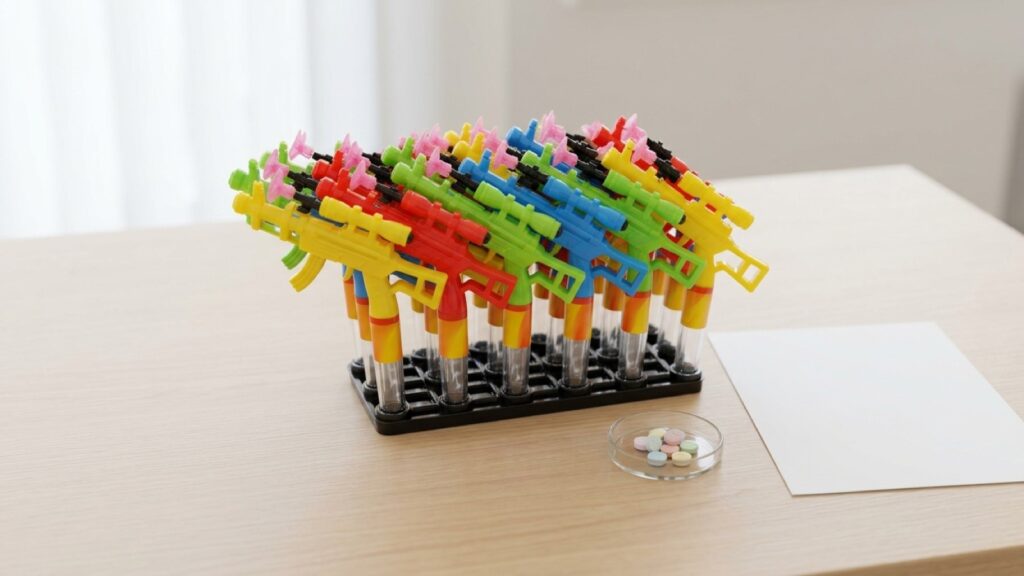
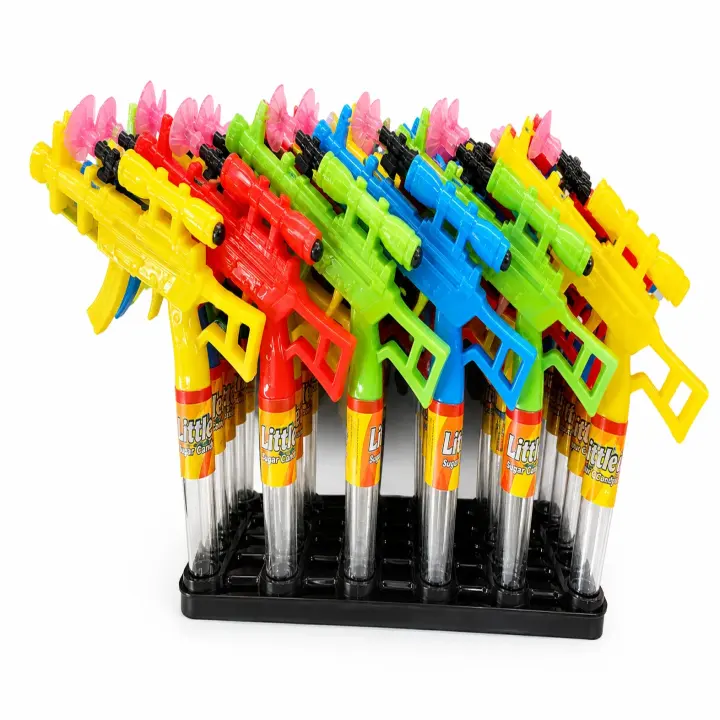
If you import novelty candy that includes a toy component, the new EU toy safety regulation changes how you should prepare the file now. Regulation (EU) 2025/2509 on the safety of toys applies from 1 August 2030 and repeals Directive 2009/48/EC with effect from the same date, while several provisions start applying from 1 January 2026. KidStar SKU YMX-046 is a useful working example because it is a 2 g tablet candy packed at 30 pcs x 24 cards per carton with a toy-style dispenser.
The direct answer is that the buyer’s job now is classification and evidence: confirm whether the product or its toy component qualifies as a toy, identify the responsible economic operator, and start collecting technical documentation and digital product passport data. This article is not legal advice; confirm classification and obligations with qualified advisers before shipping.
Read the EU toy safety timeline correctly
The official text gives importers three dates that matter:
- the Regulation was adopted on 26 November 2025 and published in the Official Journal on 12 December 2025
- it enters into force on 1 January 2026
- it applies from 1 August 2030, and Directive 2009/48/EC is repealed with effect from the same date

The transitional provisions also say Member States shall not impede the making available of toys that were placed on the market in conformity with Directive 2009/48/EC before 1 August 2030. In addition, Articles 28 to 44 and Articles 49 to 55 of the Regulation apply from 1 January 2026, covering the notified-body regime and related administrative provisions, even though most obligations start in 2030.
The full official text is on EUR-Lex (Regulation (EU) 2025/2509), and the current Directive remains the live standard for products placed on the market until the transition window closes.
When does a candy-with-toy product fall under toy rules?
The Regulation applies to products designed or intended, whether or not exclusively, for use in play by children under 14 years of age. That makes classification the first question for a novelty candy line, not a later formality.
For YMX-046, the buyer should separate the product into its two legal layers:
- the tablet candy is food and stays under food law, label, and food-contact requirements
- the toy-style dispenser may be a toy and, if classified as such, carries toy safety obligations
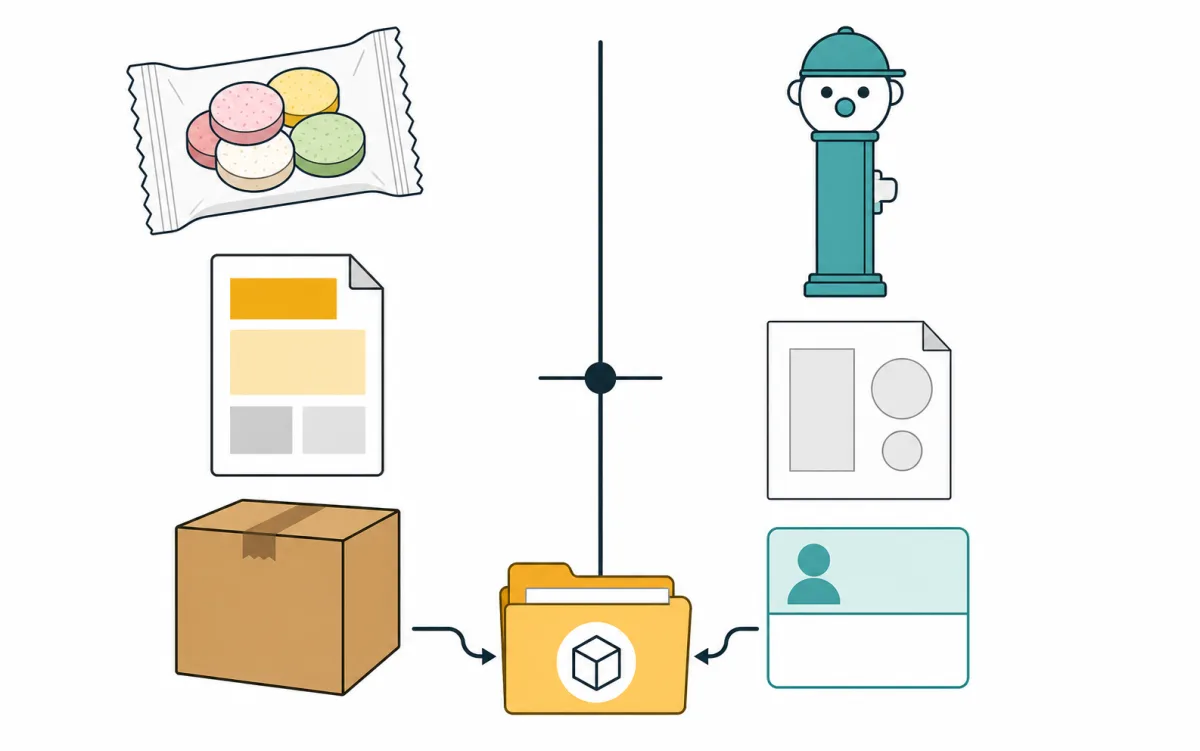
The buyer cannot assume either layer away. If the dispenser is a toy, the supplier file should include the toy-side evidence: CE marking basis, conformity assessment route, applicable harmonised standards, and the responsible economic operator in the EU. If it is not a toy under the play test, the buyer should still ask the supplier to state the classification basis in writing.
A classification and evidence table for novelty candy importers
Importers can reduce confusion by splitting the file into food-side and toy-side items.
| File item | Food side (candy) | Toy side (component) | Why it matters for YMX-046 |
|---|---|---|---|
| Classification | Food law status, label rules | Under-14 play test, toy scope | Confirms which obligations apply |
| Technical documentation | Ingredient and pack data | Toy technical file and test evidence | The Regulation requires documentation for toys |
| CE and conformity | Not applicable to the candy itself | CE marking basis and declaration | Only valid when toy classification is confirmed |
| Economic operator | Supplier and importer data | EU responsible operator data | The Regulation places duties on operators |
| Product data | Net content and batch marks | Unique identifiers and passport data | Digital product passport readiness is part of the new rules |
The certifications and compliance page explains the evidence KidStar can provide, and the samples page is the right route for reviewing the actual product before final classification work.
What to prepare now before 2030
Because most obligations apply from 1 August 2030, buyers have time — but the wrong use of that time is waiting until 2029 to start. Prepare now:
- confirm toy classification for every novelty SKU with a toy component
- collect the technical documentation trail: tests, standards, declarations, batch records
- identify the responsible economic operator in the destination market
- map how product data will be structured for a digital product passport, which the Regulation ties to data carrier and unique identifier rules
- plan for the 10-year retention period for toy-side technical documentation and the digital product passport
- keep Directive 2009/48/EC compliance current for anything placed on the market before the 2030 transition closes
For a first program, the stronger move is to build the file around one exact SKU and one named destination market. The product catalog can help compare novelty lines, but the compliance file should start with YMX-046 and its actual dispenser format.
Turn YMX-046 into a cleaner compliance brief
The final step is writing the brief in one file: exact SKU YMX-046, the destination market, the food-side and toy-side classification questions, and the evidence the supplier must provide. That file is what makes supplier answers comparable and keeps the program out of a last-minute compliance scramble.
Start a Buying Brief with the market, product direction, quantity, timing, and compliance questions, and the KidStar team can review YMX-046 against the evidence chain you actually need.
